

The absence of colour
Why I Photograph in Black and White
Black and white is not the absence of colour. It is a different way of seeing. When colour disappears, what truly matters begins to emerge.
One of the questions I’m asked most often is, “Why do you photograph in black and white?” The answer has nothing to do with nostalgia or with making an image look more artistic. I choose black and white because, for me, it is the most honest way to tell a story. Colour is extraordinary. It can describe a place, a season and an atmosphere with incredible richness. Yet there are moments when it competes for attention instead of supporting the image. When colour fades away, what remains are the elements I care about most: light, shape, expression and emotion. That is where photography truly begins.
Black and White Doesn’t Remove—It Reveals
Many people believe that black and white photography takes something away from an image. I’ve always felt exactly the opposite. Without colour, our eyes stop chasing visual details and begin to focus on what is essential. A glance, a gesture, the texture of a face or the relationship between light and shadow suddenly become more meaningful. Black and white simplifies the photograph, but in doing so it often deepens the story. I don’t see it as a limitation or an aesthetic choice. I see it as a way of removing distractions so that the most important part of the photograph can finally speak.
Light Is the Real Subject
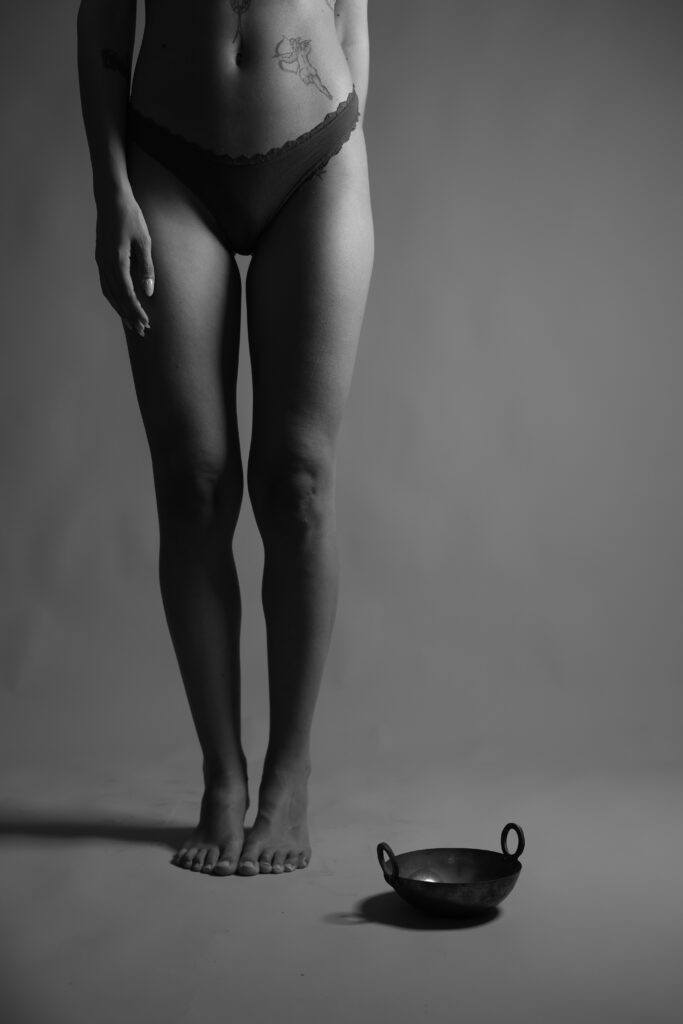
If someone asked me what the true subject of my photography is, I probably wouldn’t answer “people.” I would answer light. Light shapes a face, creates depth and transforms an ordinary moment into something memorable. Before taking a photograph, I spend time observing how light moves across a space, how it enters through a window, reflects from a wall or gently touches someone’s face. I’m not searching for dramatic effects. I’m searching for honest light. In black and white, this relationship becomes even stronger because every photograph is built on the balance between highlights and shadows.
Colour Can Be a Voice—Or a Distraction
I don’t believe colour and black and white are opposites. They simply tell stories in different ways. Some photographs need colour because it is part of the story itself. A sunset, a vibrant street or a carefully chosen outfit can lose meaning without it. Other images become stronger when colour steps aside. Whenever I feel that colour is competing with the emotion of the photograph, I let it go. Not because black and white is more artistic, but because it allows the story to breathe more naturally. Every photograph asks for its own language, and my job is to listen.
Every Portrait Begins with Trust
People often tell me they are not photogenic. A few minutes later, they usually forget the camera is even there. That’s my favourite part of photography. We walk, we talk and, little by little, the camera disappears. What remains is a genuine moment between two people. That is when the portrait truly begins. Black and white helps me keep the attention exactly where I want it: on the person, their expression and the emotion of that moment, rather than on the many visual distractions surrounding them.
A Language Rather Than a Style
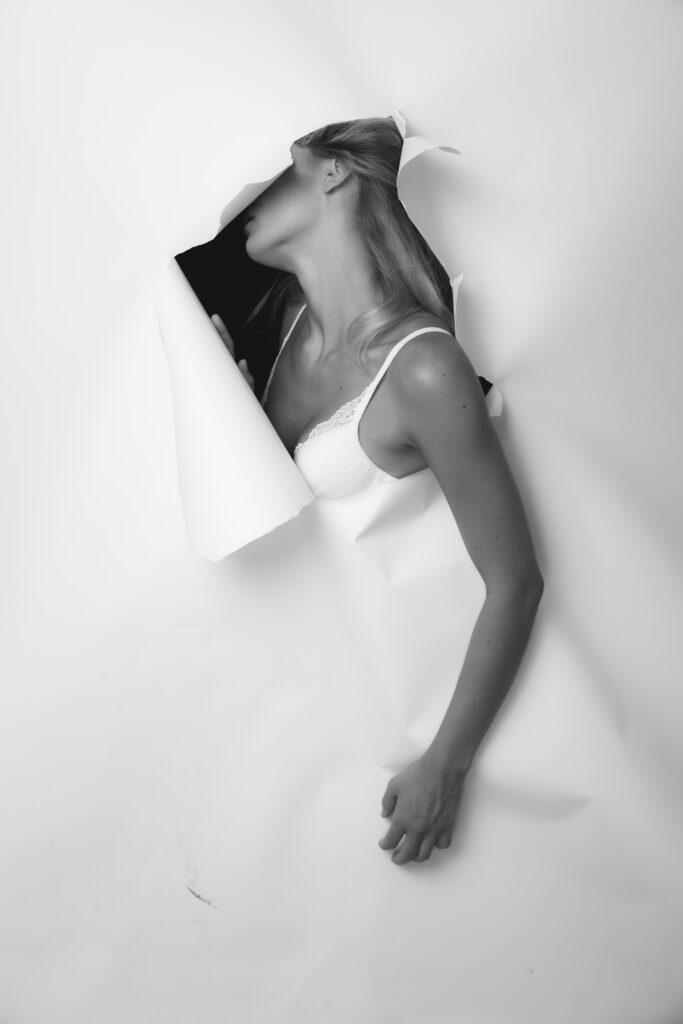
Over the years I’ve realised that black and white isn’t a style to apply to a photograph. It’s a language. Like every language, it tells certain stories more honestly than others. I never decide in advance whether an image will be colour or monochrome. Each photograph suggests its own direction. Some breathe through colour, while others only find their true voice once colour disappears. I don’t follow a rule or a trend. I simply try to choose the language that feels most authentic for each image.
Photographs That Outlive Trends
Photography evolves constantly. Editing styles change, colour grading follows new trends and technology keeps moving forward. What continues to matter, however, is a photograph that still feels meaningful many years after it was taken. That is what attracts me to black and white. It has a timeless quality that allows an image to outlive fashion and remain emotionally honest. My goal is never to create a photograph that impresses today. I want to create one that still speaks to someone twenty years from now.
Marco’s Tip
People sometimes ask whether they should choose colour or black and white photographs. My answer is always the same: don’t choose a technique—choose the emotion you want to remember. If colour is an essential part of that memory, it belongs in the photograph. But if what matters is a look, a gesture or a quiet connection between people, black and white often says more with less.
Final Thoughts
I don’t photograph in black and white because I simply prefer it. I choose it when colour no longer adds something meaningful to the story. Every photograph asks for its own language. Some need colour. Others need only light, shadow and time. Those are the images in which I recognise the way I see the world.
FAQ
Why do photographers choose black and white?
Black and white photography removes visual distractions and allows viewers to focus on light, composition, expression and emotion.
Do all your photoshoots end up in black and white?
No. Every image is evaluated individually. Some photographs are stronger in colour, while others naturally belong in black and white.
Is black and white suitable for couples?
Absolutely. Black and white often creates more intimate and timeless portraits by emphasising connection, expression and genuine emotion.
Why I Photograph in Black and White
Email: info@underwatercity.it
Telefono: +39 340 3335614
Indirizzo: Viale 4 Novembre, 13 Venezia
Discover more:
Seguimi su:
No Comments